

Editor’s Note
Dear World,
Our newest Suburban Guest, Chantaeu Munroe, shares not only her wisdom but also a special connection with Candice, our curator. Their friendship blossomed from a chance encounter on a random road trip with strangers in Jamaica—a serendipitous start to something beautiful.
Having been open with some of the traumas she’s lived through, Chan chose to share her purpose with the world. She is a powerhouse; an author, public speaker, and entrepreneur who has turned her educational pursuits in psychology, counselling, and therapy into a lifelong mission of healing minds and hearts.
In this guest entry, Chantaeu reflects on childhood trauma, weaving lessons seamlessly into her story. Pay attention, take notes!
Though the messages written, edited, and shared by Suburban Guests may resonate with The Suburban Girl JA®, they are not our own and they do not necessarily reflect the thoughts and ideals we value.
Signed,
The Suburban Girl JA®
A Closer Look At The Link Between Childhood Trauma & Chronic Illness

We hear it all the time:
“You can’t pour from an empty cup.”
However, what happens when you’ve been pouring for years or maybe decades with no thought about how empty you’ve become?
What if the wear and tear you feel in your body today is the echo of unhealed pain from your childhood?
Let’s be honest. Many of us were raised in environments that normalised chaos, silence, survival, and shame. We were told to toughen up, push through, stay strong. While those coping strategies may have helped us survive childhood, they are not sustainable for thriving in adulthood.
Thanks to decades of neuroscience and trauma research, unresolved childhood trauma doesn’t just stay in the past. It embeds itself into our biology. The body remembers what the mind tries to forget.
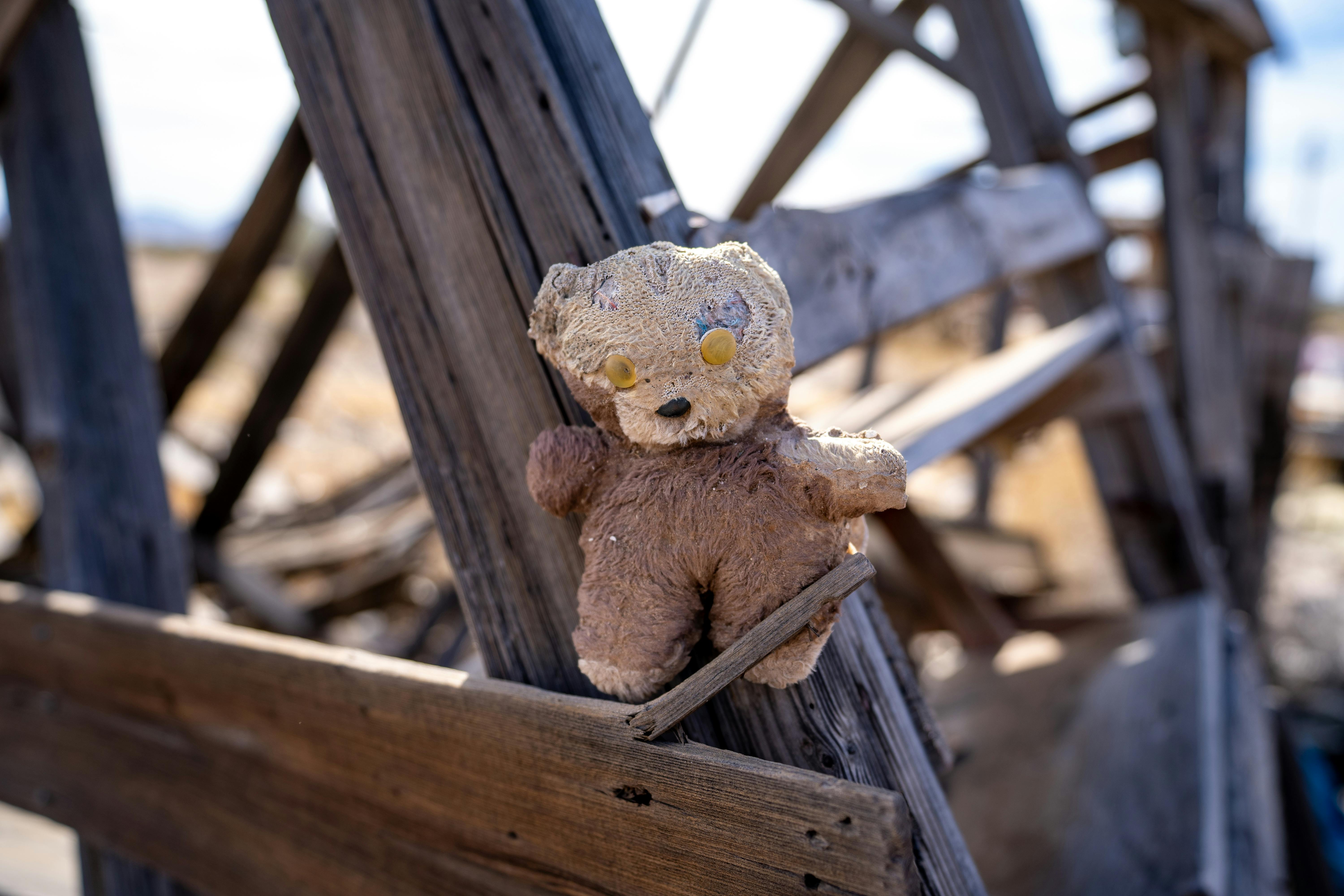
Studies have shown a strong correlation between Adverse Childhood Experiences (ACEs) and chronic health conditions such as heart disease, diabetes, autoimmune disorders, and even cancer. Why? Well, trauma that isn’t transformed gets trapped in the nervous system, and when your body lives in a constant state of hypervigilance; always ready to fight, flee, or freeze, it begins to break down. That’s not a weakness, that’s biology.
Editor’s interjection: Adverse Childhood Experiences (ACEs) refer to potentially traumatic events in childhood, such as abuse, neglect, or household dysfunction (e.g., parental separation, substance abuse, or mental illness). These experiences can leave lasting imprints on physical and mental health, increasing the risk of chronic illnesses, emotional challenges, and relational difficulties later in life.
The study of ACEs was pioneered by Dr. Vincent Felitti and Dr. Robert Anda, whose groundbreaking research revealed the connection between childhood adversity and long-term health outcomes. Dr. Nadine Burke Harris, a trailblazing pediatrician and former Surgeon General of California, in the US, has been a pivotal advocate in addressing ACEs, emphasising the role of trauma-informed care in improving children’s and communities’ well-being.
In Jamaica, Professor Wendel Abel has been a leading voice in addressing ACEs and their unique impact. As a consultant psychiatrist and professor of mental health policy at the University of the West Indies, he champions public health approaches and community-based interventions to help individuals break free from the cycle of trauma and embrace healing.

Healing is Possible
But here’s the beautiful part: healing is possible, and it starts with reclaiming your right to rest, to reflect, to receive support and to care for yourself without apology. Self-care isn’t bubble baths and spa days (though those are nice too). Real self-care is creating safe spaces to process your emotions. It’s learning to say “no” without guilt and “yes” to the things that nurture your nervous system. It’s eating food that honours your body, getting enough sleep, breathing deeply, and building routines that affirm your worth.
For those of us who carry deep wounds, self-care becomes more than a wellness buzzword becomes an act of resistance. It becomes a radical declaration that “my life matters, my health matters, and I am worthy of healing.” If you’ve been noticing chronic fatigue, migraines, gut issues, or other lingering health concerns that doctors can’t quite explain and you don’t even understand yourself, it might be time to look beneath the surface.
Ask yourself:
What has my body been holding on to? What have I been pushing through that now needs to be processed and released in a way that serves me?
You don’t have to walk that journey alone. Whether it’s therapy, trauma coaching, support groups, or holistic practices, there are tools available to help you restore what was broken and regulate what has been overwhelmed.
Self-care isn’t selfish. It’s strategic. It’s sacred, and your long-term health; physically, emotionally, and spiritually – depends on it.
So, give yourself permission today to pause, breathe, and tend to your inner world with the same commitment you show everyone else because the most sustainable version of you is the one that is healed, whole, and deeply well.
Chantaeu Munroe is a certified clinical trauma professional, Christian life coach, and the author of Layers of Healing: Discovering Purpose in Pain and Trauma. As the founder of CKM Healing Consultancy, she empowers individuals, couples, and organisations to overcome trauma and embrace transformation.
A former finance professional, Chantaeu now inspires change through tailored coaching, impactful storytelling, and advocacy, including co-producing the acclaimed short film “I Was Only Twelve.”
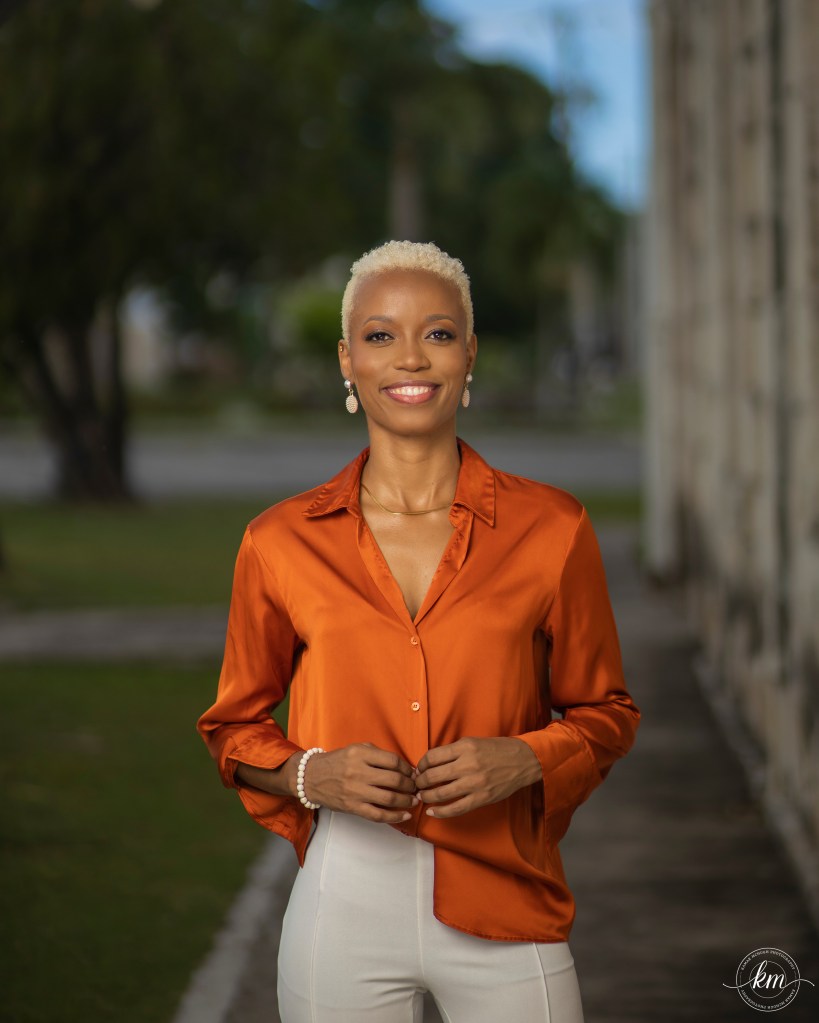
Connect with Chantaeu on Instagram @Chantaeu Munroe & @ckmhealingconsultancy | Facebook @chantaeumunroe & @ckmhealingconsultancy | LinkedIn at Chantaeu Munroe | Website: www.ckmconsultancyja.com & Email: ckmhealingconsultancy@gmail.com
 The Suburban Girl JA®
[…] To support Chantaeu’s statement, I delved into ACEs and gave greater insight and context to the Jamaican experience. You may read this post at: Self-Care Isn’t Selfish: How Childhood Trauma Impacts Long-term Health […]
LikeLike
[…] Chantaeu’s second entry for the Suburban Guest series! –> Self-Care Isn’t Selfish: How Childhood Trauma Impacts Long-Term Health | Suburban Guest – Chanta…. This entry to the series explores the long-term effects of childhood trauma on physical and mental […]
LikeLike
There’s something special when my favorite people get together!!!! It gets me excited. This was a nice read!
LikeLiked by 1 person
Thanks, Richelle! Really appreciate the love and support.
LikeLiked by 1 person